Categories
EET 2.0 Is Returning in a Simpler Form: What Business Owners Should Keep an Eye on Right Now
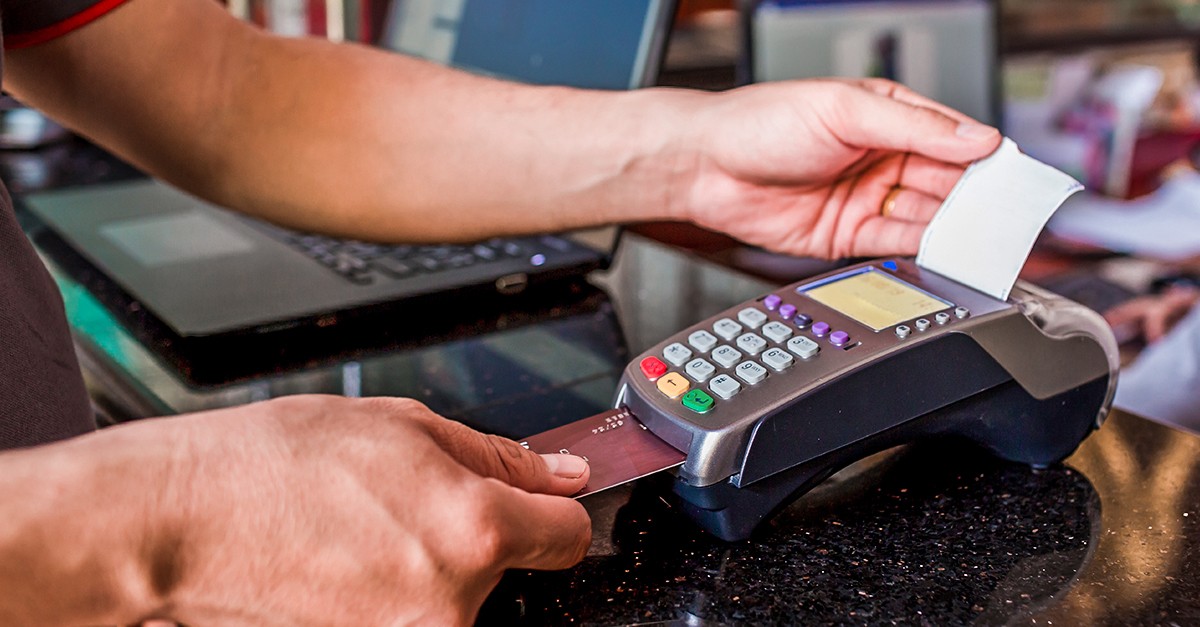
Starting January 1, 2027, the electronic sales recording system will return —this time under the name EET 2.0. The government promises less paperwork and the option to send payments directly via cell phone, for example. Find out if EET 2.0 affects you, which specific payments are subject to recording, and when it’s worth your while as a flat-rate taxpayer to use the non-recording regime.
What you’ll learn in this article:
- What does EET 2.0 entail, and why are you hearing about it again?
- Who is required to record sales?
- What specific payments must you submit to the system?
- EET without a new cash register or mandatory receipt printing?
- EET OFF: What does the exemption for flat-rate taxpayers look like?
- How can you prepare for EET 2.0 in time and without panic?
- We’ll handle your tax and accounting setup for you
What does EET 2.0 entail, and why are you hearing about it again?
According to a government proposal, the electronic sales record-keeping system is set to return on January 1, 2027, in a revised form known as EET 2.0. The government approved the proposal on May 4, 2026 , and it is now awaiting further legislative steps; therefore, the wording of the law may still be amended.
The main change from the original EET is greater simplicity. The government does not want to force you to purchase expensive point-of-sale systems if you won’t actually use them. The Ministry of Finance and the Financial Administration are already publishing regularly updated FAQs so you can check in advance how the new rules will directly affect your business.
Who will be required to record sales?
It doesn’t matter whether you operate as a company or a self-employed individual, or whether you’re a VAT payer. The obligation to implement EET 2.0 most likely applies to you if:
- 1
You accept in-person payments from customers —customers pay you in person by card, gift cards, cash, or even via a QR code.
- 2
You are not eligible for a statutory exemption —specific operations such as vending machines, public restrooms, or pre-Christmas fish stalls have been granted an exemption under the law.
Typically, EET 2.0 will apply to:
- brick-and-mortar stores,
- restaurants, cafes, and food stands,
- services paid for in person on-site,
- craftsmen whose clients pay them upon delivery of the finished work.
However, not every single crown you earn is automatically included in the records.
You exclude income that:
- is not subject to income tax,
- is a one-time occurrence outside your regular business activities,
- is subject to withholding tax,
- is subject to tax on a separate tax base for legal entities.
For individuals, neither rental income under Section 9 of the Income Tax Act nor other income under Section 10 of the Income Tax Act (such as the occasional sale of surplus produce from a garden) is included in the EET.
What specific payments must you report to the system?
The basic requirement for recording a transaction is a so-called “face-to-face payment.” This does not include remote payments (such as through an e-shop), but, simply put , refers to a payment made during a personal meeting or directly at your place of business.
However, this is not limited to cash. EET 2.0 also covers non-cash transactions, typically card payments, account-to-account transfers, QR code payments, gift cards, or even cryptocurrencies, provided they take place in person. The same applies to cash-on-delivery payments, even if the goods were ordered online.
Let’s illustrate the difference using an online store as an example:
- If a customer pays for an order online via a payment gateway and simply picks up the package from your store, you do not need to record the sale according to the tax authorities.
- However, if a customer orders goods online and pays you only upon pickup at a branch, this is considered a face-to-face payment, and you must record it.
Be especially careful about this if you combine an e-shop with courier delivery, a pickup location, and a brick-and-mortar store. You need to distinguish very precisely where and how customers actually pay you.
EET Without a New Cash Register or Mandatory Receipt Printing?
The good news is that EET 2.0 does not mean you’re immediately required to purchase a new smart cash register. You can simply record sales using standard devices —a cell phone, tablet, laptop, or your existing point-of-sale system will suffice.
Tip: The government is developing a free web application for small business owners with a lower volume of transactions.
Another major difference from the original regulation: you won’t have to automatically issue or print a receipt because of EET 2.0.
These established procedures will continue to apply only if a customer requests a receipt under the Consumer Protection Act or if you are a VAT payer and are required to issue a tax receipt.
Tip: Payment data is typically sent to the tax authorities immediately online. However, if your internet connection goes down, you can submit the data later—you have up to 48 hours from the time the payment is received to do so.
EET OFF: What Does the Exemption Look Like for Flat-Rate Taxpayers?
Are you an entrepreneur in the first flat-rate tax bracket? The draft law has established a special “EET OFF” regime for you. If you meet the conditions—primarily annual income of up to 1 million CZK—you can avoid electronic record-keeping entirely. You’ll exchange it for a monthly surcharge of 1,400 CZK added to your existing flat-rate tax.
This is therefore a choice between electronic data reporting and increased tax payments—not an automatic exemption. It’s worth doing a simple comparison:
- Do you receive only a few cash payments each month? It will likely be cheaper for you to register them via EET 2.0 as usual.
- Don’t want to deal with any apps or reports, and does the surcharge make financial sense to you? Choose the more convenient path with the EET OFF mode.
How can you prepare for EET 2.0 in time and without panic?
If you find that you can’t do without the reporting system, we recommend taking these three steps in a timely manner:
- check whether your current cash register or payment terminal can handle the new rules,
- Choose the most suitable app or software for sending data,
- verify your access to the DIS+ tax portal, where registration will take place.
Once you log in to the EET 2.0 system, you’ll need to set up your “recording units” (the locations where sales take place). You’ll then download digital certificates directly from the portal and install them on your phones, tablets, or point-of-sale devices so they can securely communicate with the tax authorities.
We’ll handle your tax and accounting setup for you
Legislation is constantly changing, but you don’t have to spend your evenings studying the laws because of it. Whether EET 2.0 affects you or not, we’d be happy to take over your entire bookkeeping and tax administration. We’ll handle the paperwork, keep track of deadlines, and set up processes so your records are 100% in order, allowing you to focus on what you enjoy most—running your own business.
Reach out to us using the contact form below, and we’ll discuss your needs.
Write to us and we’ll get back
to you within 24 hours.


Follow us:


News from our blog
 Ready-Made companies
 8
minutes
Tips and advice
6
minutes
Tips and advice
14
minutes
Tips and advice
16
minutes
Taxes and Accounting
6
minutes
Tips and advice
6
minutes
Tips and advice
11
minutes
Tips and advice
6
minutes
Tips and advice
7
minutes
Ready-Made companies
8
minutes
Tips and advice
6
minutes
Tips and advice
14
minutes
Tips and advice
16
minutes
Taxes and Accounting
6
minutes
Tips and advice
6
minutes
Tips and advice
11
minutes
Tips and advice
6
minutes
Tips and advice
7
minutes
8
minutes
Tips and advice
6
minutes
Tips and advice
14
minutes
Tips and advice
16
minutes
Taxes and Accounting
6
minutes
Tips and advice
6
minutes
Tips and advice
11
minutes
Tips and advice
6
minutes
Tips and advice
7
minutes
Ready-Made companies
8
minutes
Tips and advice
6
minutes
Tips and advice
14
minutes
Tips and advice
16
minutes
Taxes and Accounting
6
minutes
Tips and advice
6
minutes
Tips and advice
11
minutes
Tips and advice
6
minutes
Tips and advice
7
minutes
